
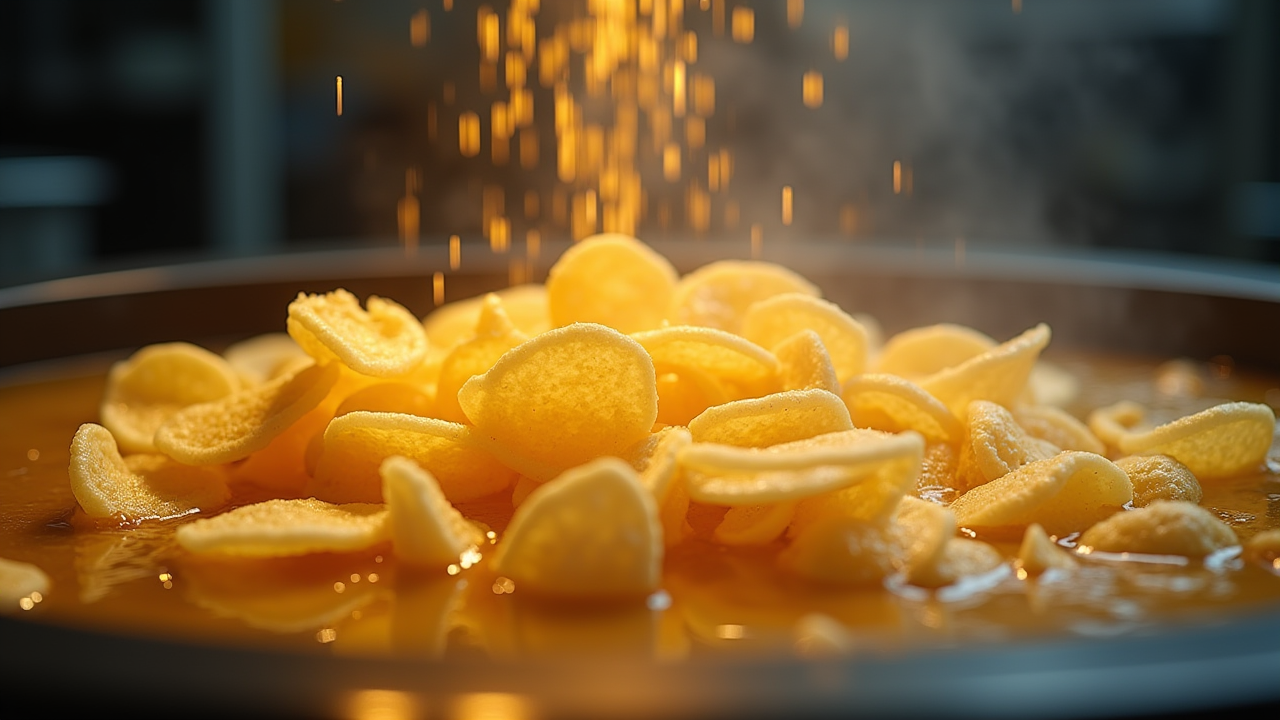
In the food industry, oil plays a critical role in processes like frying, baking, and flavoring. As oil is reused or processed in large volumes, it accumulates impurities that can affect product quality, taste, and safety. Oil filtration is essential to maintain the quality, extend the lifespan of oil, and ensure the safety of food products. This article explores the importance of oil filtration in the food industry, the types of contaminants filtered, and common filtration methods used to keep oils fresh and safe.
Why Oil Filtration is Important in the Food Industry
- Quality Control: Filtering oil removes particles and impurities, preserving flavor and ensuring consistent quality in food products.
- Cost Efficiency: Regular filtration extends the usable life of cooking oil, reducing costs associated with frequent replacement.
- Health and Safety: Filtration helps prevent the formation of harmful compounds (e.g., free radicals, polar compounds) that can develop in degraded oils, improving food safety.
- Environmental Impact: Proper filtration reduces oil waste, which in turn minimizes environmental impact by reducing disposal frequency and enabling safer waste management.
Types of Contaminants in Food Oils
Oil used in the food industry is prone to several types of contaminants, including:
- Food Particles: Small particles of food, such as crumbs from fried items, which can degrade oil quality.
- Water and Moisture: Water from foods that enter the oil, often causing splattering and accelerating degradation.
- Oxidation Compounds: Compounds formed from prolonged exposure to heat and air, affecting taste and potentially causing harmful byproducts.
- Free Fatty Acids (FFAs): Produced when oil breaks down, these acids lead to unpleasant tastes, odors, and health risks if consumed in large quantities.
- Polar Compounds: Harmful substances that form as oil deteriorates, often regulated in food industries to protect consumer health.
Common Filtration Techniques for Oil in the Food Industry
The choice of filtration method depends on the type of oil, its usage, and the specific contaminants that need to be removed. Below are some commonly used filtration techniques in the food industry.
1. Mechanical Filtration
- How It Works: Mechanical filtration involves using a porous medium, like paper or fabric filters, to physically trap and remove food particles from oil.
- Advantages: Inexpensive and simple; effective at removing visible particles and extending oil life.
- Limitations: Does not remove dissolved impurities or microscopic particles, so it’s often combined with other filtration methods.
2. Gravity Filtration
- How It Works: Gravity filtration systems use the force of gravity to pass oil through a filtering medium. Particles are removed as the oil flows downward through the filter.
- Advantages: Low-cost and energy-efficient; suitable for low-volume operations.
- Limitations: Slow process; may require pre-filtration for larger food particles; not ideal for high-volume operations.
3. Pressure Filtration
- How It Works: Pressure filtration forces oil through a filtration medium (often made of paper or fabric) under pressure. This method speeds up the process, making it ideal for high-volume operations.
- Advantages: Faster than gravity filtration; effective at removing fine particles.
- Limitations: Requires specialized equipment; can be costly.
4. Centrifugal Filtration
- How It Works: A centrifuge spins the oil at high speeds, separating heavier particles (impurities) from the lighter oil. The contaminants are pushed to the edges, while the clean oil is collected separately.
- Advantages: Removes a wide range of impurities, including food particles and water; no need for disposable filter media.
- Limitations: High initial cost for centrifuge equipment; requires regular maintenance.
5. Vacuum Filtration
- How It Works: Vacuum filtration uses a vacuum pump to pull oil through a filtering medium, removing suspended particles.
- Advantages: Effective in removing fine impurities and water; gentle on the oil, preserving its properties.
- Limitations: Requires vacuum pump maintenance and can be costly.
6. Activated Carbon Filtration
- How It Works: Oil passes through activated carbon, which adsorbs impurities like free fatty acids and unwanted odors.
- Advantages: Excellent at removing dissolved compounds that impact taste and smell; extends the oil’s usability.
- Limitations: Not suitable for high-volume solid particle filtration; requires regular replacement of carbon media.
7. Continuous Filtration Systems
- How It Works: These systems filter oil continuously during the frying or cooking process, often using a combination of filtration methods (mechanical, pressure, or centrifugal).
- Advantages: Reduces oil change frequency, maintains consistent quality, and allows for extended oil usage in high-volume operations.
- Limitations: High initial investment; requires precise settings and regular maintenance.
Benefits of Oil Filtration in Food Production
Oil filtration offers many benefits for food production, particularly in high-demand settings such as restaurants, food processing plants, and fast-food chains:
- Enhanced Food Quality: Filtered oil maintains its flavor and does not impart off-tastes to food, ensuring a consistent and enjoyable product.
- Increased Oil Lifespan: By removing contaminants, filtration reduces the frequency of oil changes, saving both time and money.
- Reduced Health Risks: Filtration reduces harmful byproducts like polar compounds and free fatty acids, improving consumer safety.
- Environmental Sustainability: Filtering oil rather than disposing of it reduces waste and contributes to sustainable practices in the food industry.
Regulatory Standards and Oil Filtration
Regulations vary by country, but many health authorities set limits on the levels of free fatty acids, polar compounds, and other contaminants in cooking oils used in food preparation. For example:
- EU Regulations: European Union standards often limit polar compounds to 25% in frying oil to ensure food safety.
- US Guidelines: In the United States, some states and health authorities recommend regular filtration and oil replacement to prevent health risks from degraded oil.
These regulations emphasize the importance of filtration, as it allows businesses to meet safety standards while maintaining efficient operations.
The Future of Oil Filtration in the Food Industry
As technology advances, the food industry is seeing innovations in oil filtration, including:
- Smart Filtration Systems: These systems use sensors to monitor oil quality in real-time, alerting operators when filtration is needed or oil must be replaced.
- Nano Filtration: Experimental methods using nanotechnology promise to filter out even the smallest impurities, potentially extending oil life and improving product quality.
- Eco-Friendly Filters: Environmentally sustainable filter materials are emerging, which reduce waste and are made from renewable resources.

An interesting discussion is definitely worth comment.
I do think that you ought to publish more about this subject,
it might not be a taboo subject but typically people do not
discuss such topics. To the next! Cheers!!