
Portugal’s water: the long walk from worry to trust (and what comes next)
The risky years
For much of the 20th century, safe water wasn’t guaranteed. In many places, pipes were old, treatment was uneven, and sewerage didn’t reach every home. Wells and public fountains did the job until they didn’t—when rainfall failed or when contamination crept in.
Two moments still loom large.
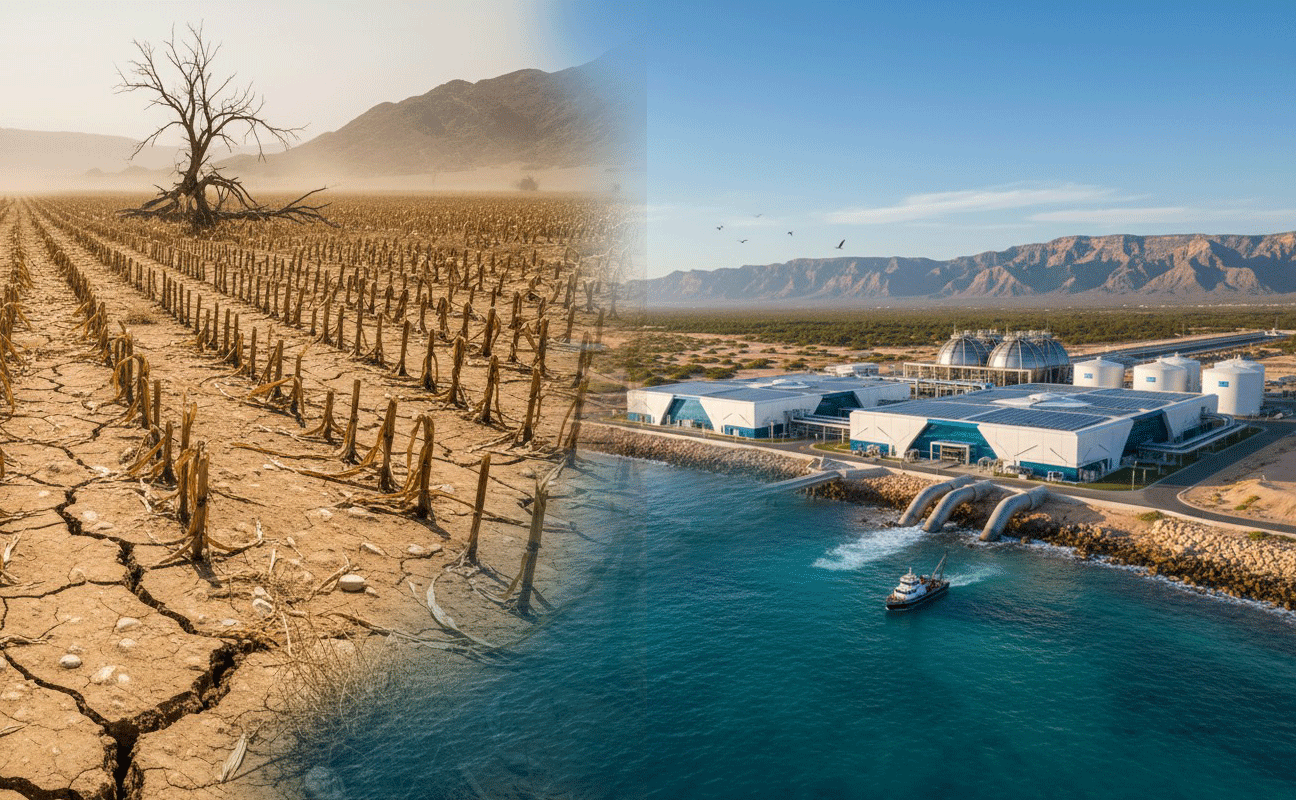
First, the 1945 drought. The mid-1940s brought one of the harshest dry spells on record. By that year, huge parts of the country were in severe to extreme drought. Rivers shrank. Aquifers fell. Harvests like maize and beans collapsed in many districts. Families felt it immediately: poorer yields, pricier food, and the constant worry that the taps—or the village fountain—would run low.
Second, the 1974 cholera episode. That year reminded us how fast water-related disease can strike when monitoring and disinfection break down. Thousands fell ill, and investigators traced the spread to contaminated shellfish and even water from a couple of mineral springs. It was a brutal lesson: water quality is unforgiving if you let your guard down.
The catch-up
From the 1990s onward, Portugal decided to stop patching and start transforming. Pipes and treatment plants were built or rebuilt at scale. Many small, fragile systems were bundled into larger, professional utilities so that expertise, equipment, and money could be shared. An independent regulator was given the job of setting rules, testing relentlessly, and publishing the results so everyone could see whether the water was truly safe.
Sewerage followed the same path. Networks spread, wastewater plants were upgraded, and “treated as standard” replaced “treated when we can.” Bit by bit, the basics—chlorination, accredited lab testing, quick incident response—became normal practice rather than a scramble.
By the 2010s, most people in Portugal were connected to public water, and the vast majority of sewage was collected and treated. And the number that really matters—quality at the tap—climbed to about 99% compliance year after year. That’s not a marketing claim; that’s thousands of tests, every year, from the consumer’s tap.
What changed for everyday life and for farms
People first. The quiet revolution is reliability. You open the tap and trust what comes out. Utilities post their local results, many earn annual quality seals, and when a parameter slips, teams fix it fast.
Public health. Systematic chlorination and frequent testing ended the era of waterborne scares. The memory of 1974 still sharpens our focus, but the system today is built to find problems early and deal with them quickly.
Agriculture. Drought hasn’t vanished; it never will. But irrigation districts, new reservoirs, and interconnections have made farming more resilient. The Alentejo’s modern networks, for example, turned dry-land risk into stable, irrigated production. At the same time, farmers are shifting toward drip systems and smarter scheduling, and the country is opening the door to using safe, treated wastewater for golf courses, parks, and some crops—freeing up precious drinking water.
What Portugal actually did
- Built the basics properly. Thousands of kilometers of new pipes and sewers. Modern plants that disinfect drinking water and treat wastewater to a high standard.
- Bundled the small into the strong. Instead of hundreds of tiny systems struggling alone, we created multi-municipal utilities that can hire specialists and keep equipment running.
- Put a tough referee on the field. An independent regulator that sets the rules, audits, and—crucially—publishes the scorecard so the public can see who’s delivering.
- Planned in waves. National strategies, backed by EU funds, first focused on connecting people and stopping sewage from hitting rivers, then on quality, affordability, and long-term upkeep.
- Measured everything. Routine testing at the consumer’s tap, year after year, until “trust us” became “here’s the data.”
Where we are now
Today, Portugal’s drinking water is among Europe’s best: about 99% of samples at the tap meet all standards. Most beaches and river bathing sites rate “Excellent” each season. Urban wastewater treatment is largely compliant, with a handful of places still catching up.
The stubborn problems are clear, too.
- Drought, especially in the Algarve and Alentejo. A warmer climate means longer, tougher dry spells.
- Leaks in old networks. Too much treated water still disappears before it reaches the meter.
- Farm pressures on aquifers. Nitrates and over-abstraction must be managed carefully in vulnerable zones.
What’s next (and why it matters)
- Desalination in the Algarve (Albufeira area). Portugal’s first big seawater plant on the mainland will add a drought-proof supply for a region that lives on tourism and sun.
- The Algarve Water Efficiency Plan. Interconnections between systems, pressure management, smart meters, leak reduction, and a big push to reuse treated wastewater for golf, parks, and some agriculture.
- The Pisão (Crato) multi-purpose dam. New storage and flexibility for Alto Alentejo—drinking water security, irrigation, and some renewable energy.
- Water reuse at scale. Clear national rules now allow safe, reliable reuse. Expect more pilots to become permanent across the south.
- The 2030 strategy. Think of it as the maintenance and resilience decade: finish the last mile of sewerage compliance, renew aging assets, cut losses, keep bills fair, and design for both droughts and sudden floods.
The simple takeaway
- Yesterday’s reality: unsafe and unreliable water in too many places, raw sewage in rivers, and droughts like 1945 that pushed families and farms to the brink.
- Today’s reality: clean, dependable tap water almost everywhere, strong wastewater treatment, and a culture of testing and transparency.
- Tomorrow’s job: drought-proof the system—desalination where it makes sense, reuse wherever it’s safe, fix leaks, renew old pipes, and protect aquifers.
